
165Hz vs 200Hz Monitors: Does the Extra Refresh Rate Matter?
Going from 60Hz to 165Hz is transformative; going from 165Hz to 200Hz is a refinement you mostly feel in fast shooters — if your GPU can push 200+ FPS. Here is the honest math, and when each tier makes sense.
The short answer
The frame-time math is honest about this: 165Hz draws a frame every 6.1ms, 200Hz every 5.0ms — a 1.1ms difference. Compare that with the 60Hz-to-165Hz jump, which cuts frame time by over 10ms. So no, 200Hz will not transform your gaming the way leaving 60Hz did. But in fast shooters, with a GPU that actually sustains 200+ FPS, the extra smoothness and slightly quicker pixel updates are perceptible — competitive players consistently notice it, casual players often do not.
Pick by player type
- All-round gamer, mixed titles, mid-range GPU → 165Hz is the sweet spot; the Koorui 24E3 pairs it with 99% sRGB color for everyday use
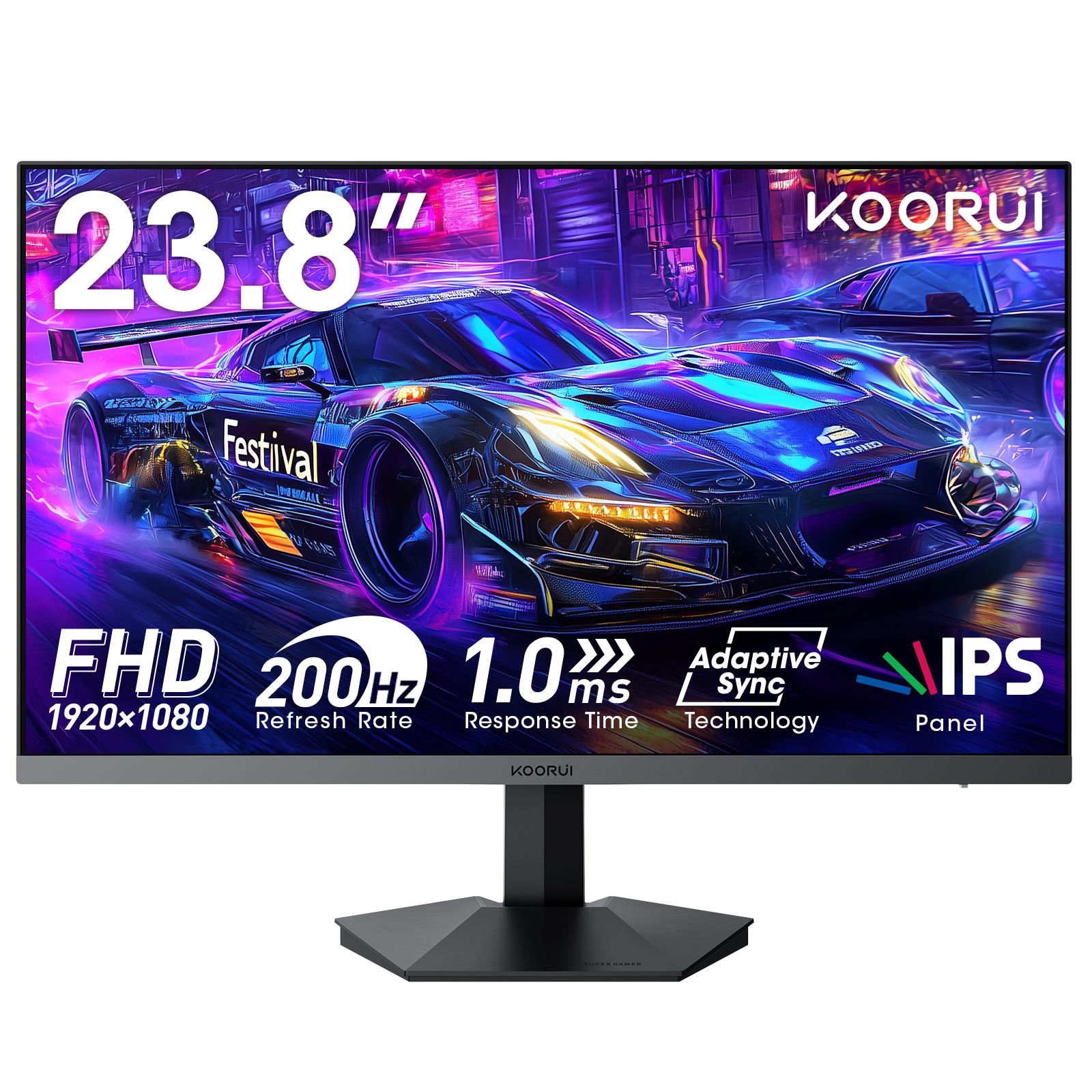
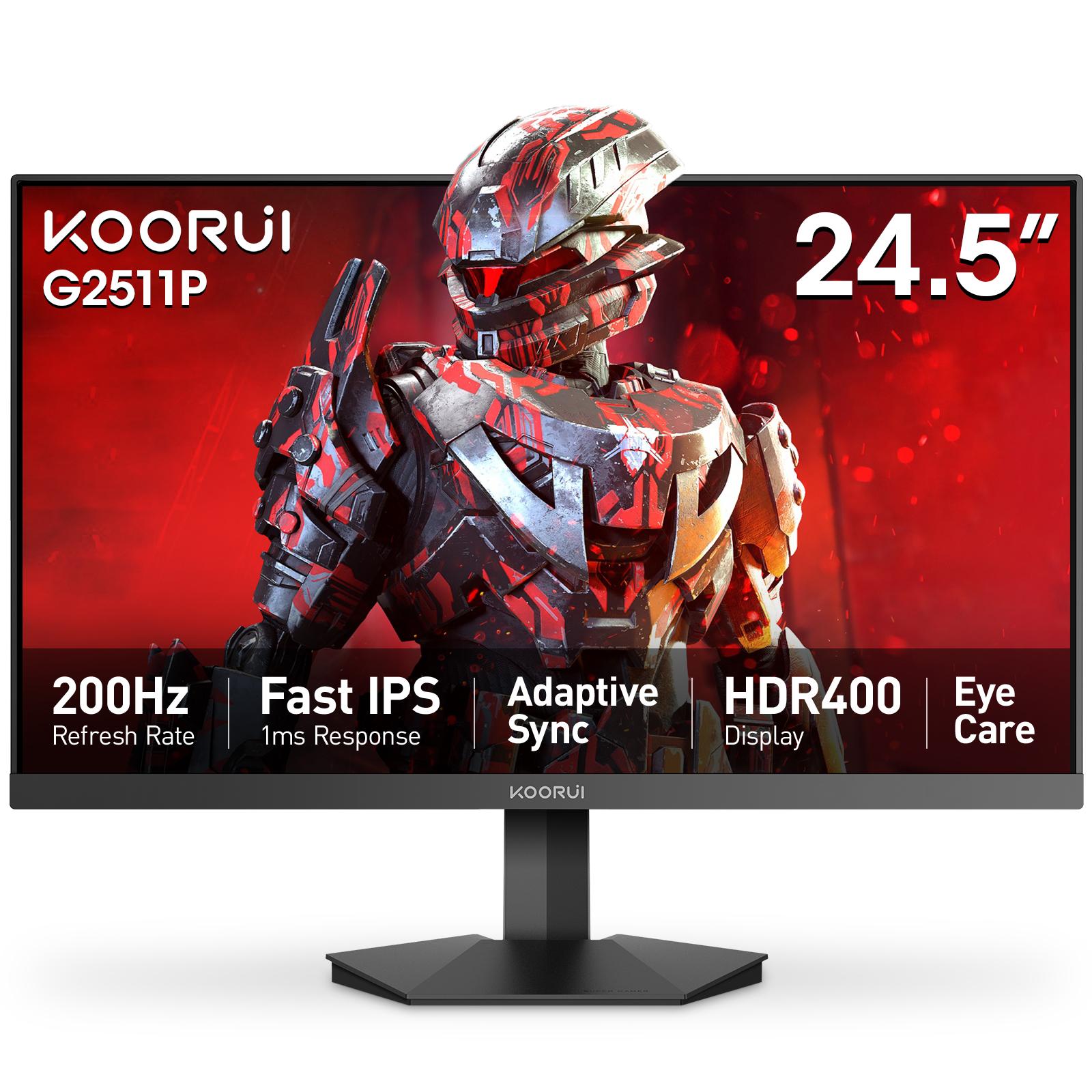
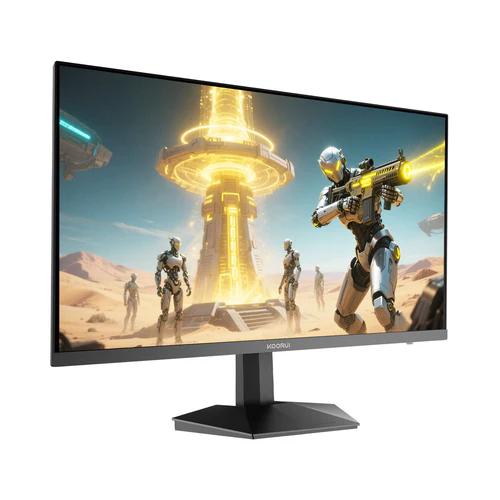
- Competitive shooter player with FPS to spare → 200Hz earns its keep; the G2511P (24.5") and G2411P (23.8", HDR400) both deliver it with 1ms-class response
- Dedicated esports grinder → the ladder continues: Koorui's G2511E runs 320Hz for players who treat frame times as equipment
The rule that settles it
Buy the refresh rate your GPU can feed. A 200Hz panel running at 130 FPS gains you nothing over 165Hz; stable frames beat peak Hz every time (more on what actually wins games here). If the price gap between tiers at your retailer is small, take the 200Hz for headroom; if it buys you a better GPU instead, take the GPU.
For a closer look at a 200Hz monitor, see the Koorui G2511P specs, strengths and trade-offs.
Frequently Asked Questions
Products in This Guide
Related Guides
- Koorui G2511P: Specs, Strengths and Trade-offs
The Koorui G2511P is a 24.5-inch Full HD Fast IPS gaming monitor with a 200Hz refresh rate, 1ms response, HDR400 and adaptive sync. Its strengths are speed and color for the money; its trade-offs are a tilt-only stand, no speakers and Full HD resolution.
- What Is Adaptive Sync? FreeSync and G-Sync Compatible Explained
Adaptive Sync matches your monitor's refresh rate to your GPU's frame rate in real time, killing screen tearing without the input lag of V-Sync. FreeSync and G-Sync Compatible are AMD's and NVIDIA's certifications of the same underlying standard — and monitors listing Adaptive Sync generally work with both.
- 24 vs 27 Inch Gaming Monitors: Which Size Should You Pick?
24–25 inch keeps the whole screen in view for competitive play and stays sharp at 1080p; 27 inch is more immersive but really wants QHD resolution for crisp text. Here is the honest size-and-resolution math.
- Best Budget High-Refresh Gaming Monitors in Pakistan (Official Warranty)
A transparent guide to the high-refresh monitors we distribute in Pakistan — from a 120Hz entry panel to 165Hz and 200Hz gaming sweet spots and a 320Hz esports model — every one with a 36-month official warranty and listed retailers.